
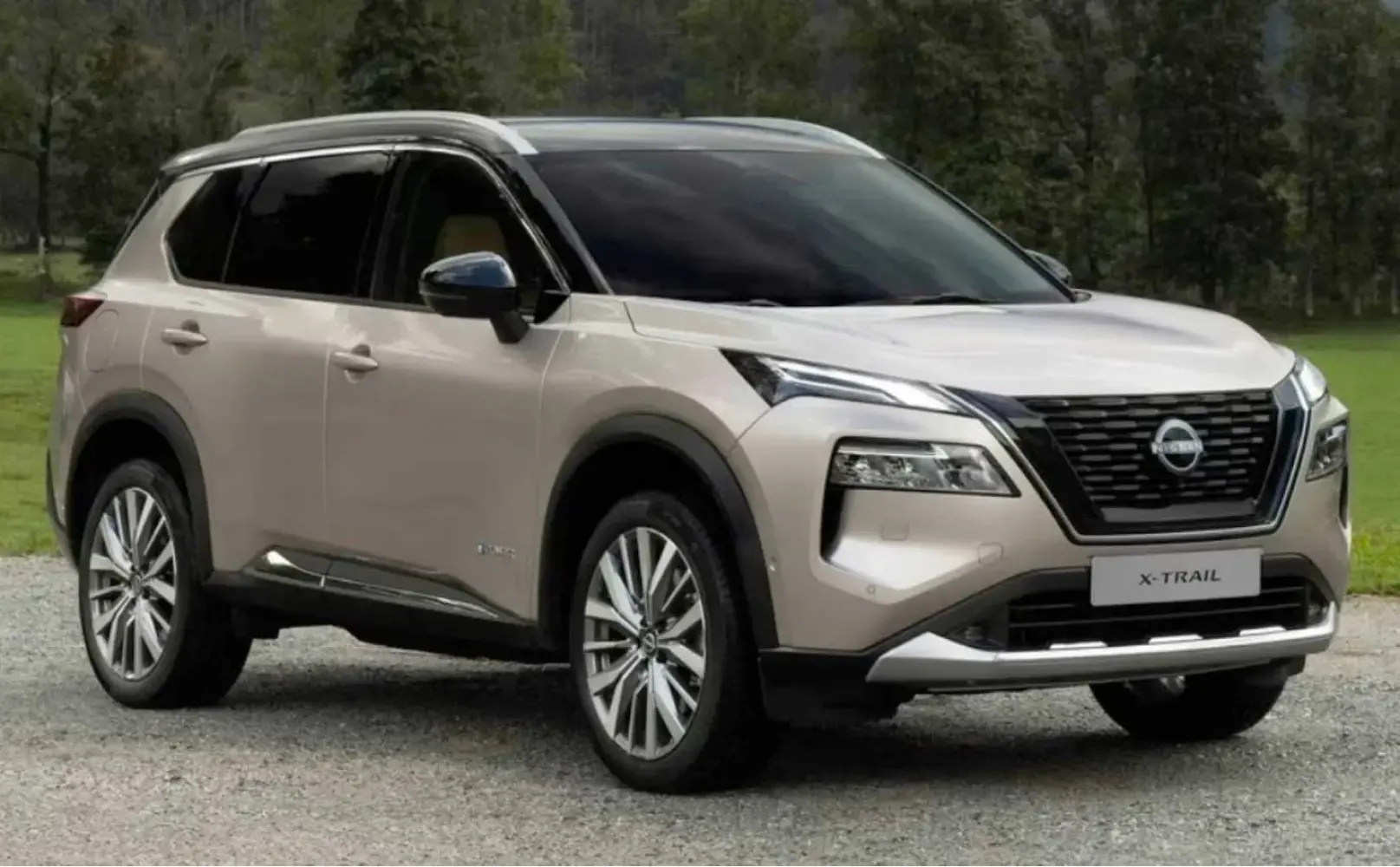
Buying or leasing a car is one of the most important financial decisions drivers make. In 2026, with rising vehicle prices, changing financing options, and new automotive technologies, many consumers are asking the same question: Is it better to lease or buy a car?
Both options offer advantages depending on your lifestyle, budget, and long-term financial goals. Leasing often provides lower monthly payments and access to new vehicles every few years, while buying offers ownership, long-term savings, and greater flexibility. Understanding the key differences between these two options can help you make the best decision for your needs.
Understanding the Difference Between Leasing and Buying
Before comparing the benefits, it’s important to understand how leasing and buying work.
When you buy a car, you either pay the full price upfront or finance the vehicle through an auto loan. Over time, you make monthly payments until the loan is paid off, and eventually the car becomes your property.
When you lease a car, you are essentially paying for the vehicle’s depreciation during the lease term—usually 2 to 4 years. At the end of the lease, you return the car to the dealership or sometimes have the option to purchase it at a predetermined price.
This fundamental difference—ownership vs temporary use—is what drives most of the pros and cons between leasing and buying.
The 2022 hyundai tucson is one of the most stylish and practical compact SUVs released by Hyundai Motor Company.
Advantages of Leasing a Car in 2026
Leasing has become increasingly popular, especially among drivers who prefer newer vehicles and lower monthly payments.
Lower Monthly Payments
One of the biggest advantages of leasing is that monthly payments are typically lower than financing the same vehicle. This is because lease payments only cover the vehicle’s depreciation during the lease term rather than the entire purchase price.
Lower payments allow drivers to afford newer or higher-end vehicles that might otherwise be out of reach.
Access to the Latest Technology
Automotive technology evolves quickly. Leasing allows drivers to upgrade to a new vehicle every few years, ensuring they always have the latest safety features, infotainment systems, and fuel efficiency improvements.
Warranty Coverage
Most lease agreements last about three years, which means the vehicle usually remains under the manufacturer’s warranty for the entire lease period. This reduces the risk of expensive repairs.
Less Resale Hassle
At the end of a lease, you simply return the vehicle to the dealership instead of dealing with selling or trading it in.
Disadvantages of Leasing a Car
While leasing offers flexibility and lower payments, it also comes with limitations that many drivers overlook.
No Ownership
Lease payments do not build equity. Once the lease term ends, you return the vehicle and do not own an asset.
Mileage Restrictions
Most lease contracts include annual mileage limits—typically between 10,000 and 15,000 miles. Exceeding these limits results in additional fees.
Wear and Tear Charges
When returning a leased vehicle, drivers may be charged for excessive wear and tear such as dents, scratches, or interior damage.
Long-Term Costs
Leasing can become more expensive over time if you continue leasing vehicle after vehicle without ever owning one.
Advantages of Buying a Car in 2026
Buying a car remains the most popular option for drivers who want full ownership and long-term financial benefits.
Ownership and Equity
When you buy a vehicle and pay off the loan, you own it completely. This allows you to keep the car for years without monthly payments or sell it whenever you choose.
No Mileage Limits
Unlike leases, owning a car allows you to drive as much as you want without worrying about penalties.
Long-Term Cost Savings
Although buying usually involves higher monthly payments initially, it can be cheaper over the long term because you eventually stop making payments while still using the vehicle.
Freedom to Customize
Owners can modify or personalize their vehicles without restrictions, whether adding accessories, changing wheels, or upgrading performance.
Disadvantages of Buying a Car
Despite its advantages, buying a car also comes with certain financial considerations.
Higher Monthly Payments
Because you are paying for the full value of the vehicle, loan payments are generally higher than lease payments.
Depreciation
New vehicles lose value quickly, especially during the first few years of ownership. This depreciation directly affects the resale value of the car.
Maintenance Costs
Once the warranty expires, owners are responsible for all maintenance and repair expenses.
Leasing vs Buying: Quick Comparison
| Feature | Leasing | Buying |
| Monthly Payments | Lower | Higher |
| Ownership | No | Yes |
| Mileage Limits | Yes | No |
| Vehicle Upgrades | Every few years | Less frequent |
| Long-Term Cost | Usually higher | Often cheaper |
| Customization | Limited | Unlimited |
Which Option Is Better in 2026?
The best option depends on your driving habits, financial situation, and long-term goals.
Leasing may be the better choice if you:
- Prefer lower monthly payments
- Enjoy driving a new car every few years
- Drive relatively low annual mileage
- Want warranty protection and fewer repair concerns
Buying may be the better option if you:
- Plan to keep your car for many years
- Drive a high number of miles annually
- Want to build equity in your vehicle
- Prefer full ownership and flexibility
How Professional Car Buying Services Can Help
Choosing between leasing and buying can be complicated because each option depends on financing terms, vehicle depreciation, and personal driving habits.
Services like Car Concierge Pro help drivers analyze both options, compare dealership offers, and negotiate better pricing. By evaluating the total cost of ownership, financing rates, and lease terms, automotive experts can help buyers make smarter decisions and potentially save thousands of dollars.
Conclusion
In 2026, both leasing and buying remain viable options for acquiring a vehicle. Leasing offers lower monthly payments, access to new technology, and minimal maintenance concerns, while buying provides long-term ownership, financial flexibility, and potential savings over time.
Ultimately, the best choice depends on how long you plan to keep the vehicle, how much you drive, and your overall financial priorities. Carefully evaluating these factors will help ensure you select the option that best fits your lifestyle and budget.
FAQs
Is leasing cheaper than buying a car in 2026?
Leasing usually offers lower monthly payments than buying because you are only paying for the vehicle’s depreciation during the lease term rather than the full purchase price.
Do you own the car after leasing it?
No, when you lease a car you do not own it. At the end of the lease term, you return the vehicle or may have the option to purchase it at a predetermined price.
Why do people choose to lease cars?
Many drivers lease vehicles because it allows them to drive newer models with lower monthly payments and fewer maintenance concerns.
Is buying a car better in the long run?
Buying a car is often cheaper in the long run because once the loan is paid off, you can drive the vehicle without monthly payments.
What happens at the end of a car lease?
At the end of the lease, you can typically return the vehicle, start a new lease, or purchase the car at the agreed buyout price.
Who should avoid leasing a car?
Drivers who travel long distances, want to customize their vehicles, or prefer long-term ownership may find buying a car more practical.
